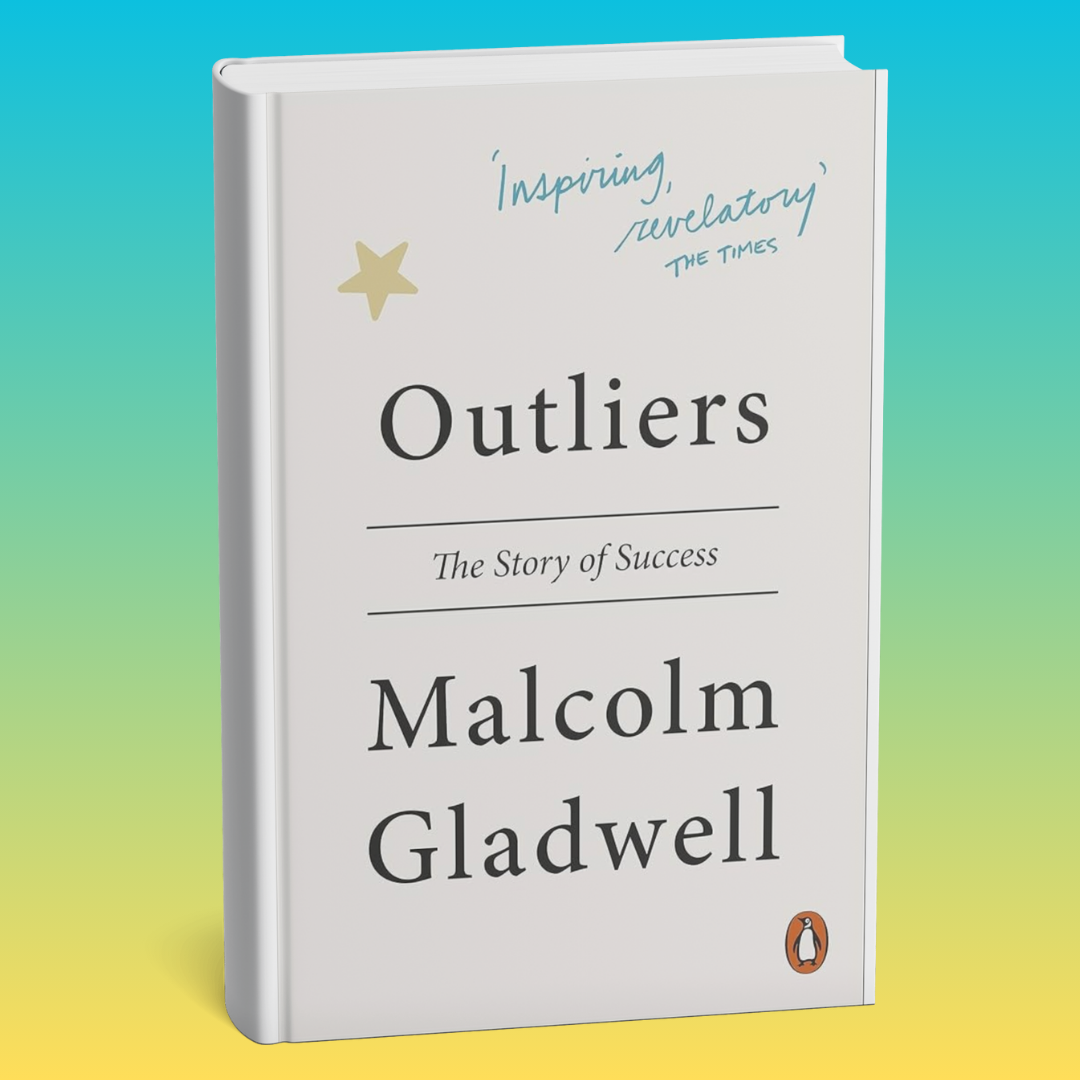
About This Book
This section isn’t about summarizing the book or explaining its theories. Instead, I’ll share how its insights connect with my own experiences, environment, and key takeaways that resonate with my life. Much of what I read here felt familiar, concepts I’d heard before—mostly from Rod—but now, supported by the book’s research and data, these ideas take on new depth.
Rather than discussing what the book is about, this reflection will explore how its themes resonate within myself and those around me. The more I read and thought about each concept, the more I saw connections with people I know, or even with myself. Some of these insights feel uncomfortably accurate, showing me aspects I might prefer not to admit but have to acknowledge.
To me, being an “outlier” doesn’t have to mean becoming the next Bill Gates or Steve Jobs. I think being an outlier can mean being the first in your family or community to accomplish something unique. It’s about breaking new ground, even if it’s in small ways that matter deeply to you. For example, being the first in your family to earn a bachelor’s degree abroad—that’s an outlier. Or, winning a national championship in ultimate frisbee, even though no one else in your family is an athlete.
Extraordinary Opportunity
Opportunity played a huge role in Bill Gates’ success. Born to a successful attorney and a university regent, Gates had early access to computers—a rare advantage at the time. Through a high school connection, he spent countless hours in a university lab, mastering coding well before computers became mainstream. By the time the industry exploded, he had already logged his 10,000 hours, paving the way for Microsoft and history.
As much as we’d like hard work to be enough, the reality is that success often requires both effort and opportunity. That’s why many wealthy parents send their kids to study abroad, increasing their access to the best opportunities. Not every student studying abroad will succeed, but they often have a higher chance than those staying local.
In my life, a few pivotal opportunities come to mind:
- Moving to the City: When my mom sent me to the city for school, she opened doors I wouldn’t have had otherwise. Without that step, I might still be in my hometown, working in a family trade.
- Meeting Rod: Meeting Rod was a turning point. He opened doors I didn’t even know existed, making it possible for me to graduate from an international university—an outcome I couldn’t have achieved on my own.
This reflection on Outliers touches on what resonates with me most. There are other points and chapters I could discuss, but in many ways, it feels like my life is still unfolding, and maybe there’s more to reflect on in the future.
I know I may have missed parts of what the book aims to convey, and I promise—someday, I’ll come back to reread Outliers and share more insights. Until then, I’m off to my next book: Chicken Soup for the Soul!
Leave a Reply